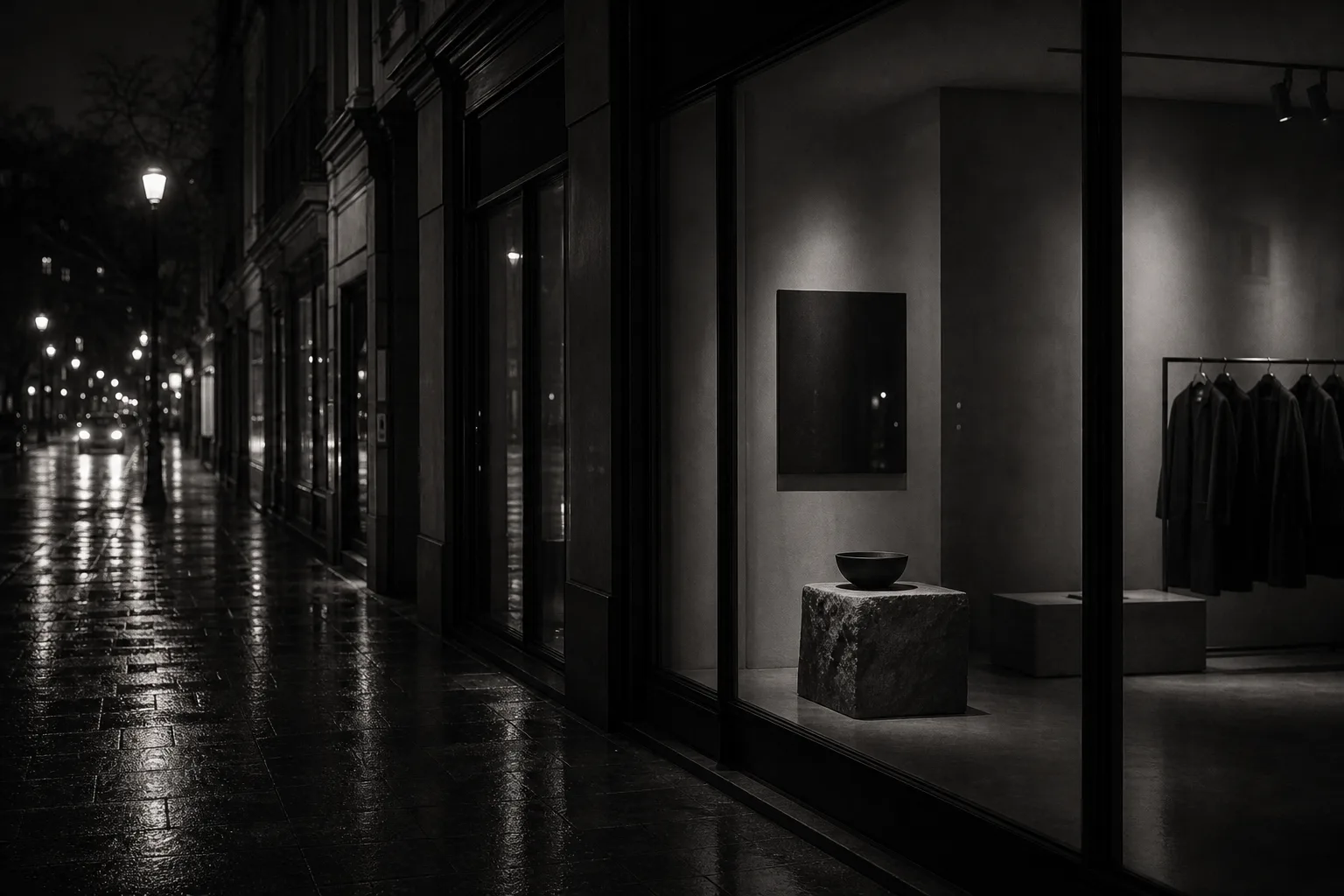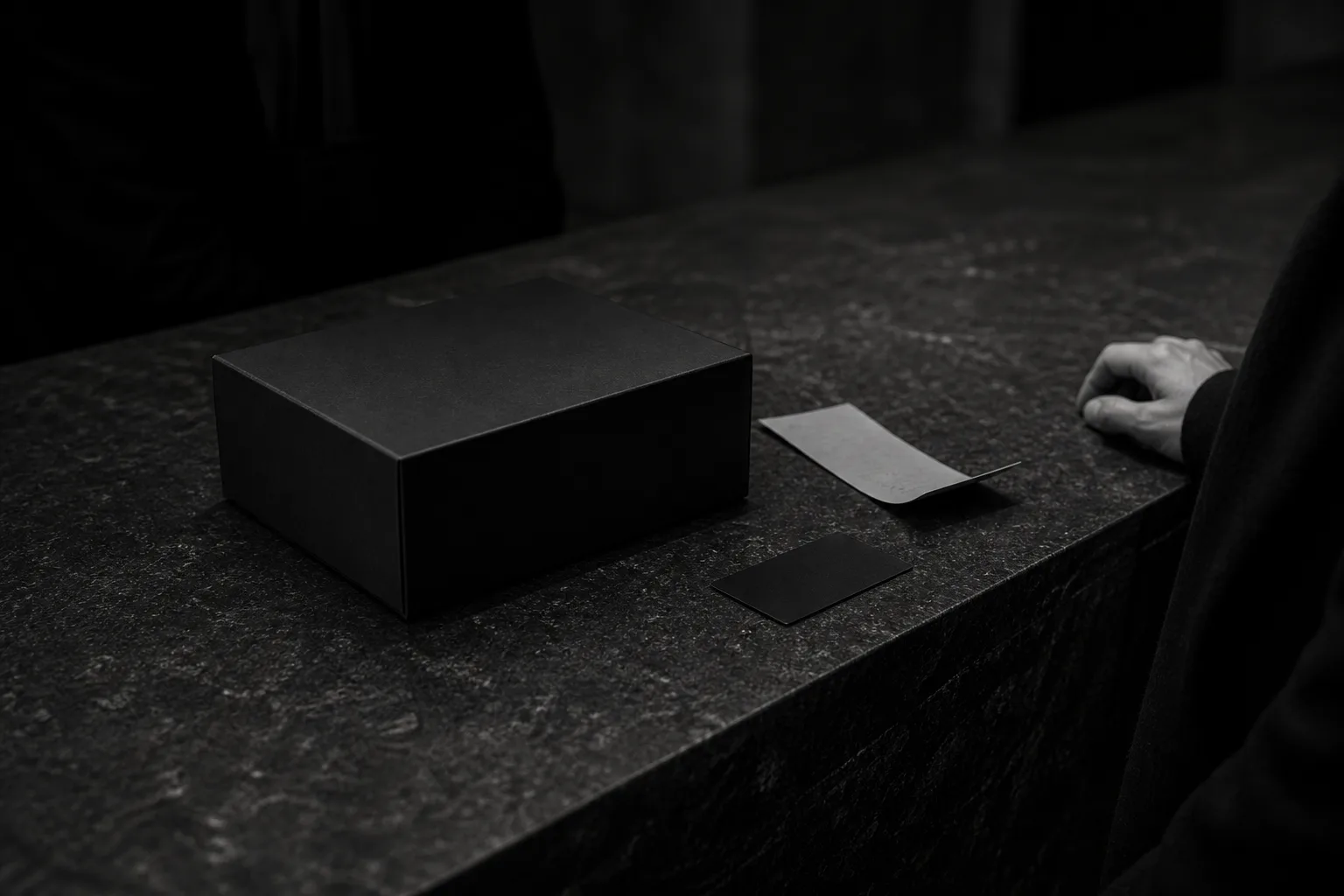
If anything, it’s carefully made.
The materials, the concept, the attention to price — all there.
And yet, the moment it becomes a photo, it looks a little light.
The moment it’s laid out on a website, it looks somehow ordinary.
The moment it flows past on social, it’s forgotten in seconds.
This is not a problem of product strength.
It is a state where the brand’s “look” hasn’t caught up with the product’s value.
The gap between brands that look premium and those that don’t is not decided by product alone.
The temperature of the photo.
The stillness of the film.
The white space of the web.
The density of the words.
The flow toward the sales page.
Whether these face the same direction changes a brand’s impression greatly.
This piece is about the “design of appearance” needed by brands that have good products yet don’t look premium.
Why a good product ends up looking ordinary
When a brand’s impression weakens, the cause is usually not just one thing.
It isn’t only the photos.
It isn’t only the website.
It isn’t only the logo that’s weak.
The problem is that each element exists at a different temperature.
For instance, the product photo reaches for luxury, while the website’s spacing is cramped.
On Instagram it shows a quiet world, while the sales page over-explains.
The film is beautiful, yet the words are light.
The brand colors are in order, yet the light in the photos looks cheap.
So even when each piece is fine, if the temperature isn’t aligned as a whole, the brand doesn’t look premium.
People don’t see a brand as a single part.
They see the photo, read the words, enter the web, move to the product page, and feel the air before purchase.
Only when all of it connects do they feel “this brand is trustworthy,” “there is a reason for this price.”