Journal

A brand looks more expensive for every request it declines

A brand looks more expensive for every request it declines

Work that turns cheap is already cheap before the estimate.

Before the price is given.

Before the contract is signed.

The moment the first message is read, the air a job will carry is largely visible.

This is not about appraising the other person.

It is the opposite.

To protect a brand's value, which work we take, and which we quietly let go.

It is about that judgment.

Continuing KHZ ART, I feel there is something the number of requests alone cannot measure.

More than the number of jobs taken, the reasons for the jobs not taken sometimes sharpen a brand's outline.

Today, I will write a little of what happens backstage.

Not how to sell, but how not to take.

About what a brand that looks expensive is, in fact, protecting at its entrance.

Work does not begin the moment it is taken. From the moment you judge whether to take it, the brand is already being made.

A request message shows the air before the price

A message shows how a person is treating the brand.

"As cheap as possible."

"Can you do it fast?"

"Just make the image look the part."

"If it's cheaper than others, I'll ask you."

It is not a simple story that these words are bad.

Budgets have their circumstances, and haste has its reasons.

But work that begins with only those words, in most cases, never leaves the talk of price to the end.

Wanting it cheap.

Wanting it done fast.

The minimum is fine.

To add, afterward, deep aesthetics and high completion to work that began at that temperature is very hard.

Because the value standard shared first has become how much can be cut.

Conversely, even when the budget is not large, a message can have grace.

"I feel how we are seen has not caught up to the price of our products."

"I want to align the temperature of photo, web, and words."

"Not so much to sell high, as to reach a state where we are not seen as careless."

Such messages cannot be judged by size of amount alone.

That person is trying to treat their own brand with care.

Because that posture is visible.
To decline is not coldness

To decline a request may sound like a strong word.

But in truth, declining is not rejecting the other person; it is protecting both sides' expectations.

What we hold dear is not simply making a beautiful image.

It is arranging photo, film, web, words, white space, and flow as one air.

For that, before production, the other person's purpose and our aesthetic must face the same direction.

If, from the start, the purpose is cheap, fast, and looks the part, there is no need for it to be KHZ ART.

Forcing ourselves to fit that request leaves both sides half-finished.

Explaining, over and over, the value of quiet and space to someone seeking cheapness.

Speaking, over and over, the reason to protect the tension of a single frame to someone seeking volume.

That time serves neither side.

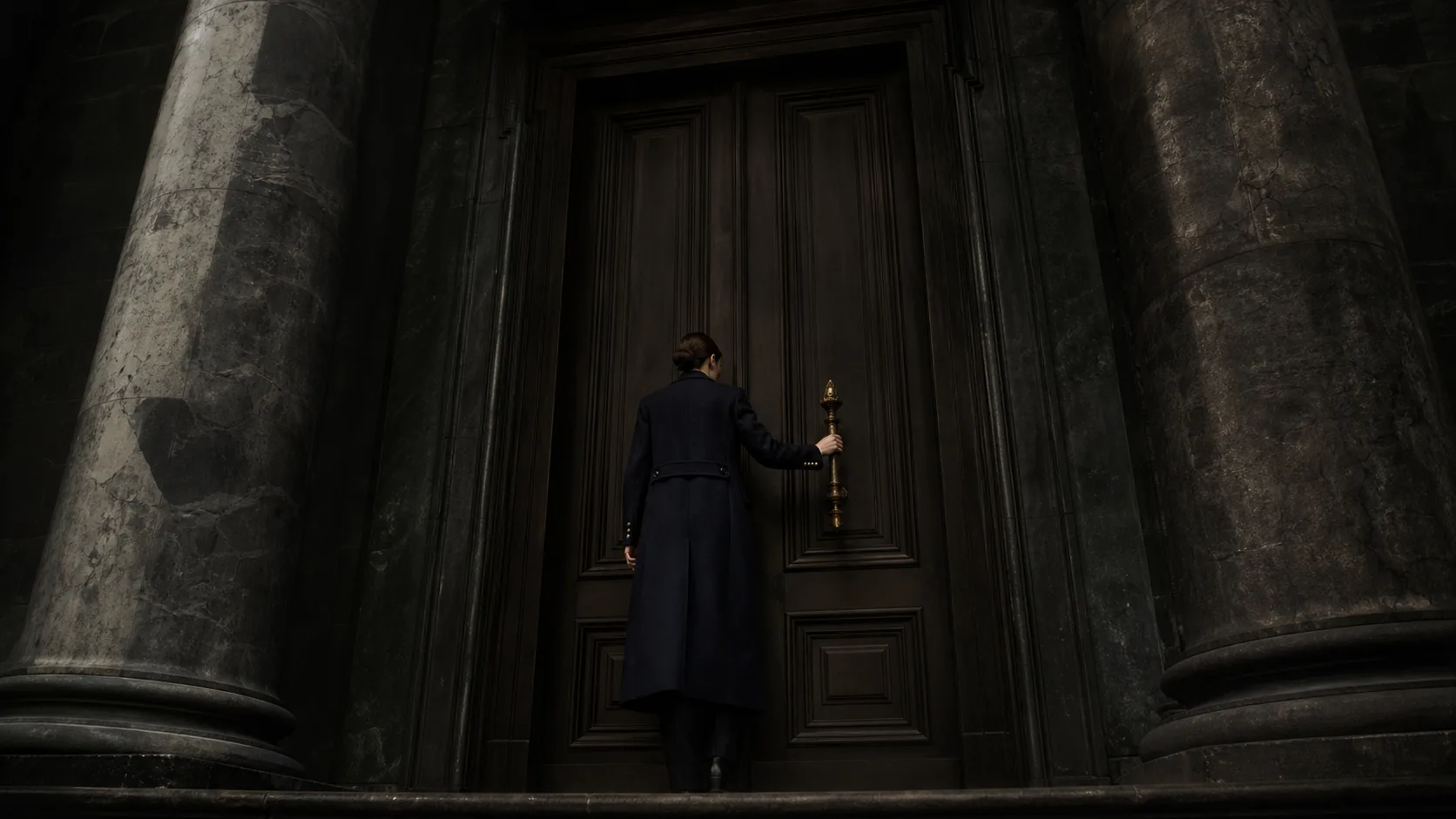
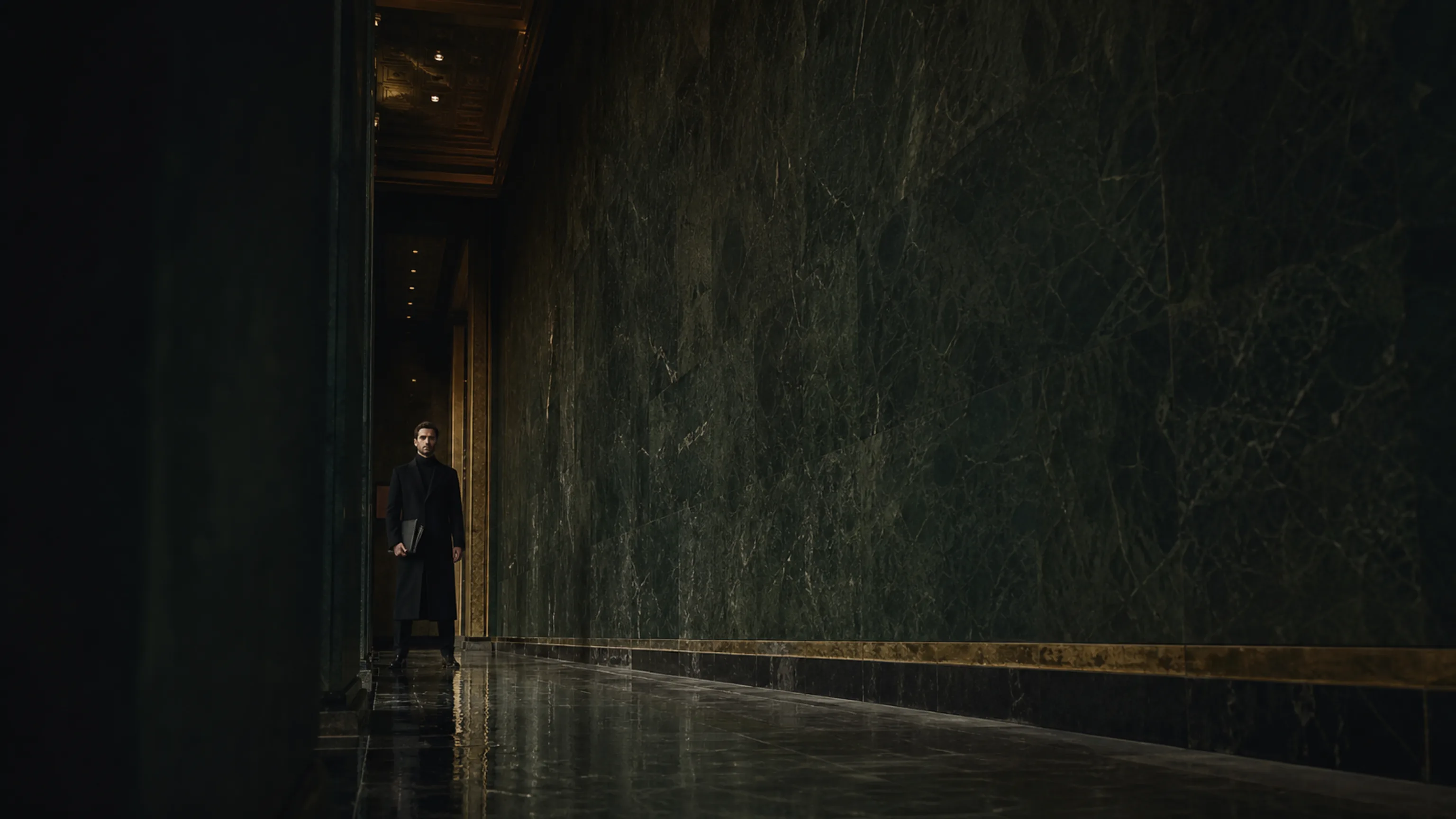
To decline is not to close a door. It is to keep that door in order for the person who should enter.

In an earlier article, I wrote that a brand opened too wide to everyone loses its outline.

This piece is a continuation.

A brand that is chosen does not treat those it does not choose carelessly; it keeps its own entrance from blurring.

That judgment, in the end, becomes a signal to the people it wants to come.

A standard for not taking is branding that never shows

When we say branding, it tends to become talk of logo, color, photo, website, copy.

Of course, those matter.

But a brand also lives in less visible places.

Which messages you reply to.

In what words you confirm conditions.

From where you set the paid scope.

Which requests you can say this one does not fit to.

A brand whose judgment here is vague slowly shaves its own price.

Taking on, by the air of it, work it would be better not to do.

Swallowing, with it is fine this time, a confirmation that should be billed separately.

Shaping, as is, a direction that does not fit the aesthetic, because it is the client's wish.

Each is a small compromise.

But when those small compromises pile up, a brand begins to treat itself cheaply.

And, strangely, it shows from the outside too.

Something is rushing somewhere.

Something is fawning somewhere.

Something says we can do anything too much.

Viewers feel the small misalignments even when they cannot put them into words.

Do not rush "we can do it"

When you receive a request, the easiest thing is to say we can do it.

It feels better.

The other person is reassured.

The talk moves fast.

But the higher the work, the more there is a confirmation before we can do it.

What is the purpose.

Where will it be used.

How far is the existing world decided.

Does it affect the purchase or inquiry flow.

Are there materials.

How far are revisions needed.

Is what the person truly wants an image, a web, or the whole way the brand is seen.

Say we can do it without confirming this, and later, somewhere, it always clouds.

Much cheap-looking work does not happen from lack of skill alone.

By skipping the first confirmation, the range of value becomes vague.

So midway, what is an addition, a revision, or a courtesy becomes unclear.

The higher the brand, the less it rushes at first.

Not to make the other person anxious, but to finish beautifully to the end, it aligns the outline at the entrance.

Not rushing we can do it. That is not keeping the other person waiting; it is not beginning work carelessly.

This thinking connects to what a brand should decide before production.

What to hold as beautiful.

What not to do.

How far to treat as one air.

The more a brand decides first, the stronger the production.

Design how you are treated before the numbers

Wanting to raise sales.

Wanting to raise the unit price.

Wanting a better clientele to come.

Thinking so, many people first try to change the price list or the menu.

Of course, price design matters.

But there is something to change before price.

It is how the brand is treated.

The writing before an inquiry.

The fields of the consultation form.

The work shown first.

How the pricing is shown.

The standard for declining.

The line for extra costs.

The confirmation before delivery.

All of these teach the viewer with what attitude they should approach this brand.

Does it seem okay to ask carelessly.

Does it seem okay to compare on price alone.

Is it a partner you can throw everything at.

Or a partner you should consult with care.

If a brand has not designed its own entrance, people approach on their own terms.

As a result, price negotiations, vague requests, endless revisions, purposeless additions increase.

This is not a story of the other person being bad.

It is that the entrance design has not yet caught up to the brand's sense of price.

The kind of request KHZ ART wants

What KHZ ART wants is not make it fast and cheap with AI.

AI is an engine.

What we want to bring to the surface is the work, the way it is seen, the air a brand wears.

What we want is a request like this.

The product or service has value, but how it is seen has not caught up.

The temperature of photo, film, web, and words is scattered.

You want to create the tension worthy of the price.

You want to shape the brand into an entrance that is not seen carelessly.

You want it not to end at beautiful, but to connect naturally to a request or purchase.

To such requests, we can face not only image, only web, only words, but the whole as one air.

The real work made with this thinking is gathered on the official site.

If you would like to see KHZ ART's work and production fields, please take a look.

In closing

A brand is made by the work it takes.

But just as much, it is made by the work it did not take.

A brand that takes anything may look wide at first.

But an entrance too wide eventually loses its outline.

What to hold dear.

What not to make cheap.

Which requests you can face deeply.

Which requests you quietly see off.

That judgment piles up into a brand's grace.

Before raising the price, arrange the entrance.

Before adding to the menu, hold a standard for not taking.

Before selling, create the air of not being handled carelessly.

To decline is not a display of strength.

It is a quiet edit for not treating the value you should protect cheaply.

A brand does not grow narrower for every request it declines. It reaches, more deeply, the people it truly wants to come.

To first know KHZ ART as a whole, start here.

Our work and production fields are gathered on the official site.

For a production inquiry, reach out quietly on LINE.

To check the work and its reviews, please take a look here.

Ongoing records and thinking are also kept on Substack.

Read next
A brand that tries to be liked by everyone is strongly chosen by no one
What a brand should decide before any shoot or web build
Contact

Shall we shape how your brand is seen, together?

From image and film to web, words and flow — we design it all as a single atmosphere. Reach out any time.

Talk to us on LINE