Journal

Why Bother Hiring an Art Director in an Era When Anyone Can Create "Perfect Images"?

Why Bother Hiring an Art Director in an Era When Anyone Can Create

AI generates "perfect images" in a single second, but that will never become brand value.

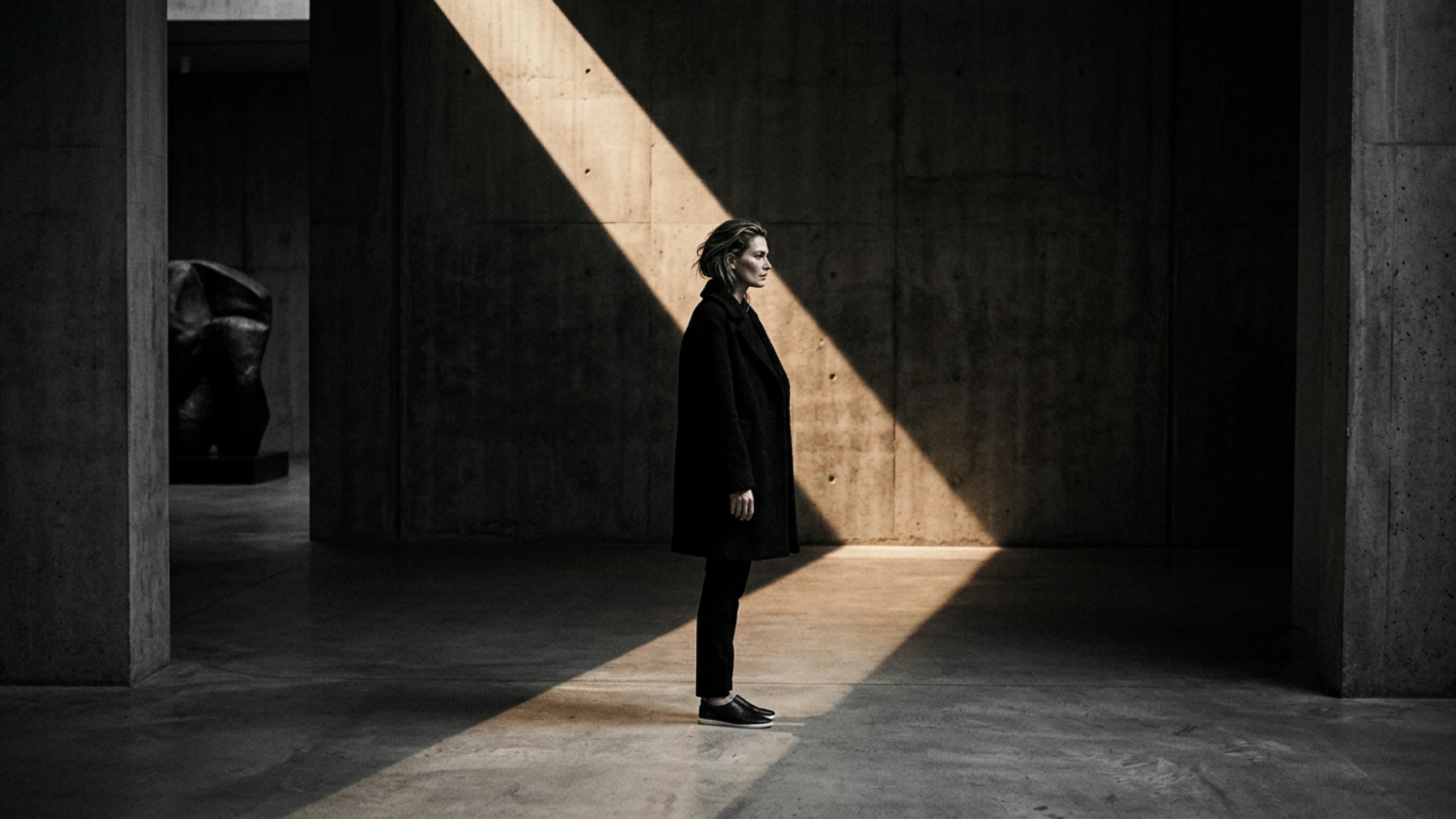
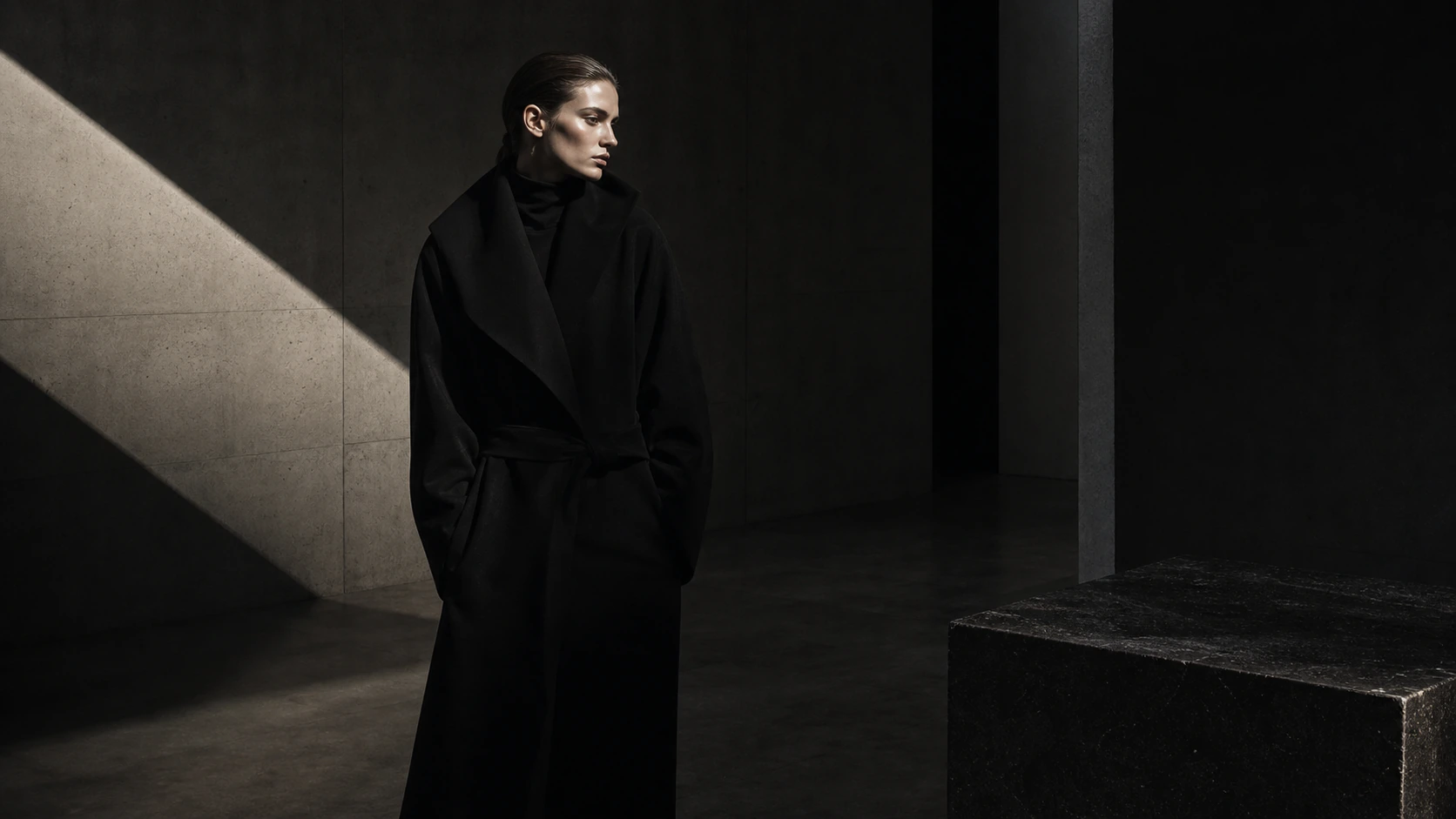
We now live in an era where professional-level visuals can be mass-produced instantly and for free, requiring nothing more than a few taps on a smartphone screen. Countless companies and independent business owners are eagerly integrating generative AI into their official websites, landing pages, and social media creatives. Backdrops boasting the cold, heavy texture of marble, models with flawless physical symmetry, and dramatically calculated shafts of light appear in seconds. These are visuals that once required booking top-tier photographers, stylists, and expensive studios for days on end.

Yet, a curious phenomenon is unfolding in parallel. Discerning consumers, whose eyes have become highly sophisticated, are rapidly growing tired of this "codified perfection."

No matter how high the resolution or how flawless the details, something essential is missing from websites lined with these images. In fact, the moment a viewer senses that a visual is AI-generated, their trust in the brand quietly but distinctly retreats.

In an age where anyone can obtain flawless visuals at the touch of a button, what is the point of paying a premium to hire an art director? It is not about purchasing the technical skill to make things. It is about employing the "eyes for selection and subtraction" to stop the runaway train of technology and make a brand truly function as a brand.

The Deluge of Perfect Images Thins Out Brand Value

If you feed it the right prompts, today's image-generating AI will endlessly output neat, flawless images. However, the result of this infinite ability to create "clean" things is a dramatic homogenization of visuals across industries.

No matter whose website you open, similar-looking, sanitized images with the exact same artificial atmosphere are lined up. They are technically beautiful and free of defects, yet they fail to leave an impression. The very elements that once symbolized luxury—marble textures, golden highlights, and cold, aloof model expressions—have been codified and mass-produced by AI. Consequently, these elements have degraded into symbols of cheapness.

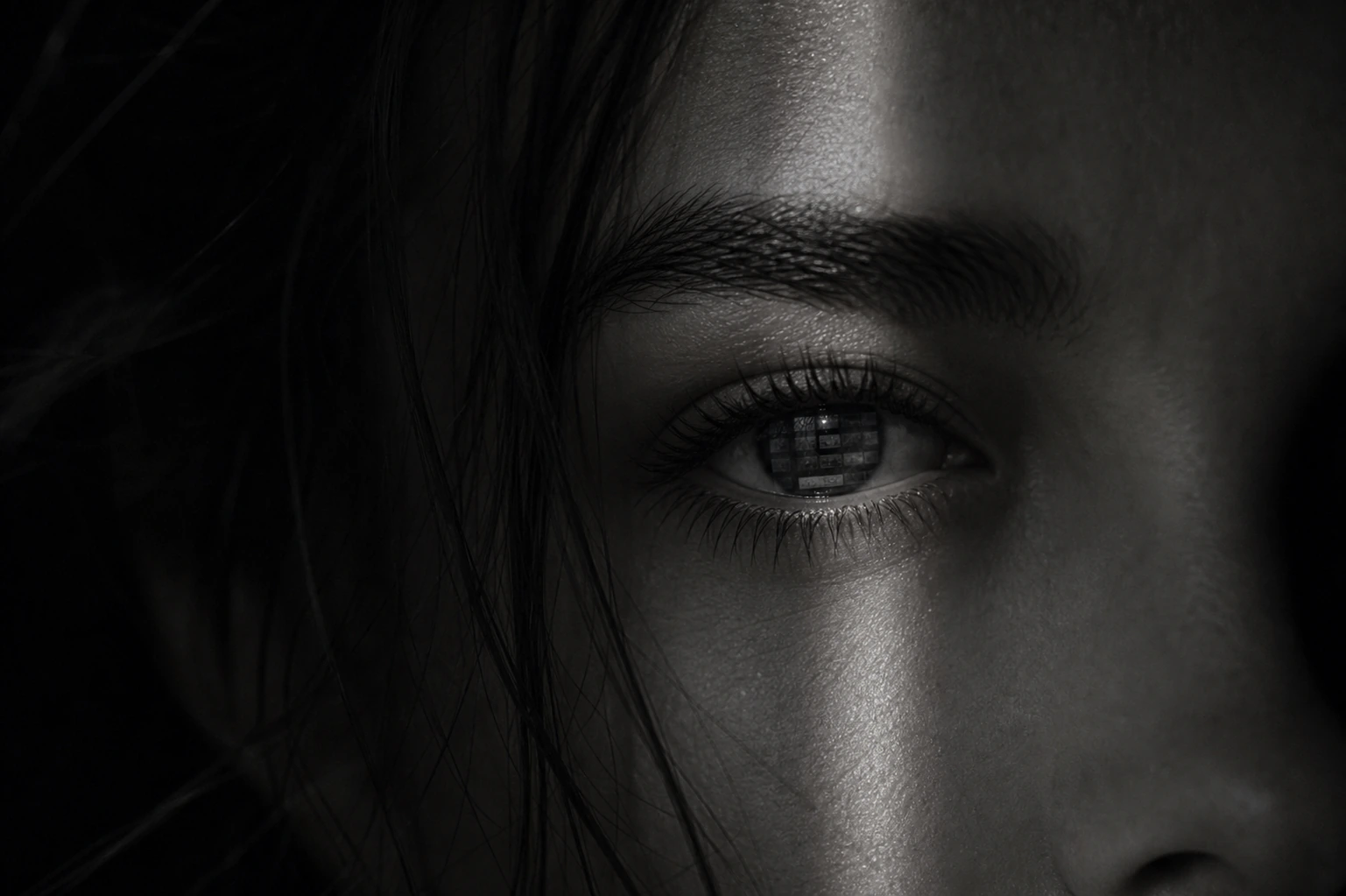
Consumers now unconsciously sniff out the "scent of AI." Symmetrical faces that are too perfect, light reflections that defy nature, and spaces devoid of any signs of actual human life. The moment these appear on a screen, the human brain flags them as "fake," and the hand scrolls past them without hesitation.

The true value of a brand lies in the "subtle differences" from others and the "imperfect presence" behind that perfection. Now that anyone can generate flawless visuals, simply displaying clean images causes a reverse phenomenon where you blend into the noise and look cheap.
The True Job of an Art Director is "To Subtract"

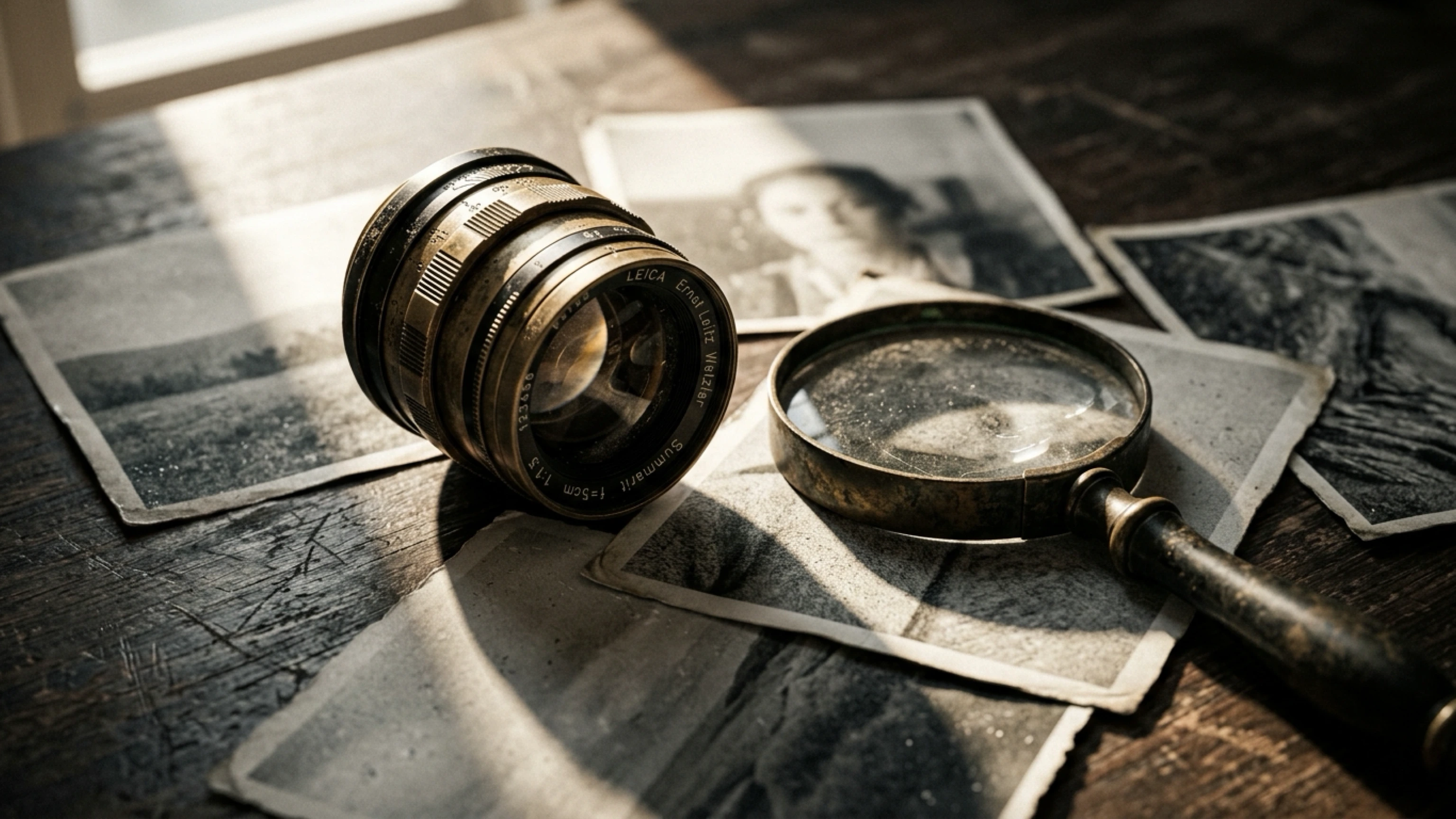
The value of hiring an art director does not lie in having them physically produce something. Rather, it lies in defining "what NOT to create" and narrowing down the brand's universe.

AI can suggest 100 variations of "correct answers" based on your requests. However, AI cannot judge "which one aligns with the brand and which one destroys it." It lacks an aesthetic backbone.

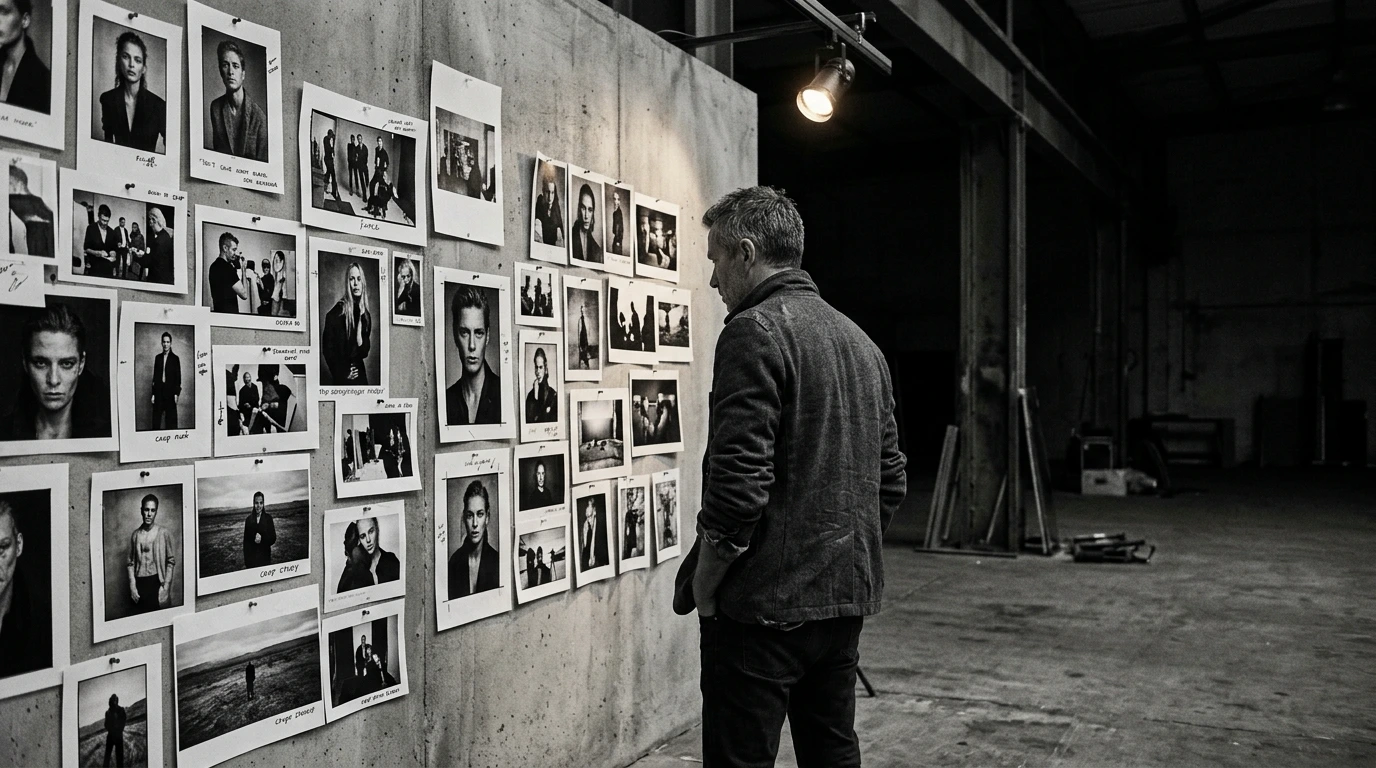
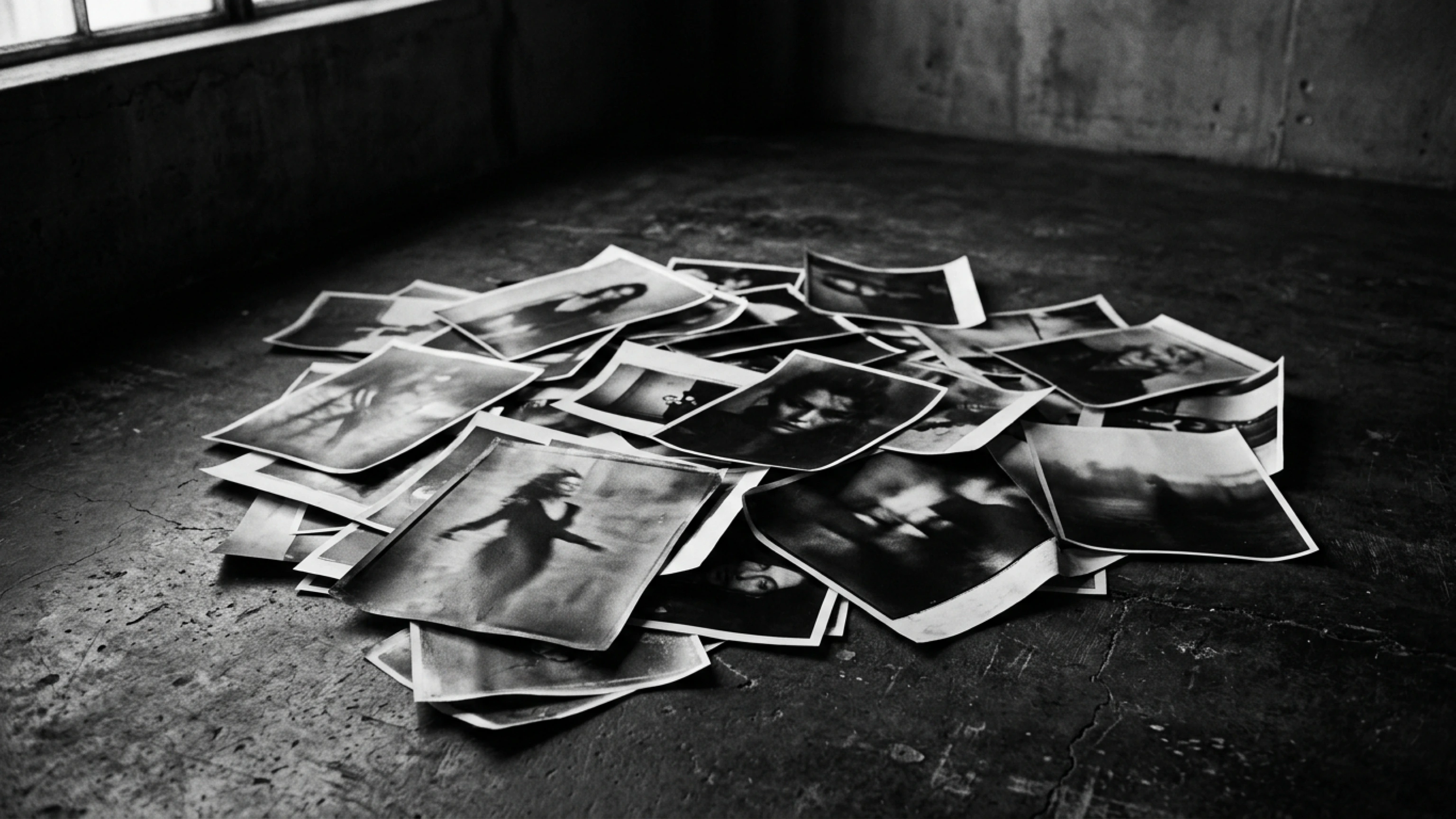
When we develop visuals for a project, we sometimes generate over 12,000 images. Yet, 99.9% of those images are immediately discarded into the trash. The moment you compromise and think, "this one looks nice, let's use that too," the brand's outline blurs, and it collapses into a generic template.

To look at a massive pile of generated visuals, identify the single image that purely embodies the brand's philosophy, and throw the remaining 99.9% away. Only the trained human eye can perform this radical subtraction. An art director is not merely someone who draws beautiful pictures, but the cold, analytical "boundary drawer" who prevents the brand's world from collapsing.

Why "Leaving It All to AI" Fails

Many business owners fall into the trap of thinking they can save design costs and build a world by letting AI handle the visuals. However, it is impossible to delegate art direction to AI.

This is because AI lacks the ability to connect context. There is no aesthetic continuity between the beautiful image output today and the one generated tomorrow. Even if you gather individually clean parts and paste them onto a website, the final result will sound discordant.

The tone of the photography, the scale of the typography, the margins calculated down to the millimeter, and the subtle ease of the scroll animation. Only when all of these elements harmonize to form a single, quiet atmosphere does the website project high credibility (Trust Signals) to the user.

If even a single piece of codified AI cheapness slips in, the prestige of the entire website collapses. Drawing the invisible blueprint to guarantee that consistency and auditing the finest details is the true essence of art direction.

Conclusion: Transforming AI "Codes" into Brand "Presence"

No matter how far technology evolves and how high-definition AI-generated images become, technology can never substitute for human aesthetic judgment. In fact, the more AI mass-produces images, the more critical the role of the art director becomes to select, crop, and ground those images in a unique context.

To have the resolve to stack ten thousand discards and gamble the entirety of the brand on the margin of the single remaining print.

To never use AI output raw, but to crop the composition, adjust the contrast, overlay the precise typography, and elevate it into a piece of art.

Technology is merely a tool. What transforms it into brand value is, as it has always been, the cold, sharp precision of the human eye.

We shape the "only presence" your brand needs, rather than the codified beauty of AI.

Read next
In an age where AI can make it, why does the human eye sell higher?
A brand world gets thinner the more you add
Contact

Shall we shape how your brand is seen, together?

From image and film to web, words and flow — we design it all as a single atmosphere. Reach out any time.

Talk to us on LINE