Journal

Corporate Website vs Brand Website: One Visitor Comes to Check, the Other Comes to Fall for You

Corporate Website vs Brand Website: One Visitor Comes to Check, the Other Comes to Fall for You

Two people land on the same home page. One is a buyer at a partner company who wants to confirm your address and the name of your director before next week's meeting. The other saw one of your bags on Instagram and wants a closer look.

The first wants to leave within thirty seconds. The second could stay three minutes and still want more. The difference between a corporate website and a brand website comes down to which of these two you greet first.

It has little to do with the number of pages or how lavish the design is. It starts with who is arriving, and what they came to do. Settle that, and the order of information, the size of the photographs and the amount of text largely decide themselves.

This piece sorts four kinds of site, corporate, brand, service and landing page, by who arrives and the errand they arrive on. By the end, you should be able to say in one line which of them your company needs most right now.

The Difference Between a Corporate Website and a Brand Website Is the Visitor's Errand

The person visiting a corporate website has come to check. Does this company exist? Where is it? Who runs it, and for how long? Partners, job applicants, banks, journalists: their positions differ, but they all want to know whether you can be trusted.

So the first job of a corporate website is to let people reach what they are looking for, quickly. Company profile, what you do, history, contact. The arrangement can be almost plain. Not making anyone search is, in itself, a form of trust.

Photographs on a corporate site favour the feel of something real over a mood. The building, the people who work there, the hands at work. Photographs polished too far tend to look distant to someone who came to check.

The person visiting a brand website has come to fall for you. More precisely, they have come to find out whether they can. Is this product meant for me? Is there room for me in this world?

Here, reaching information quickly matters less than the time spent on the way. The light in the first photograph, the space around things, the temperature of the words. A company profile, small, at the very bottom of the page, is enough.

A corporate site removes doubt. A brand site creates desire.

Try to serve both errands on one home page and you tend to serve neither well. The partner digs through photographs looking for your address. The customer meets a block of company history and leaves.
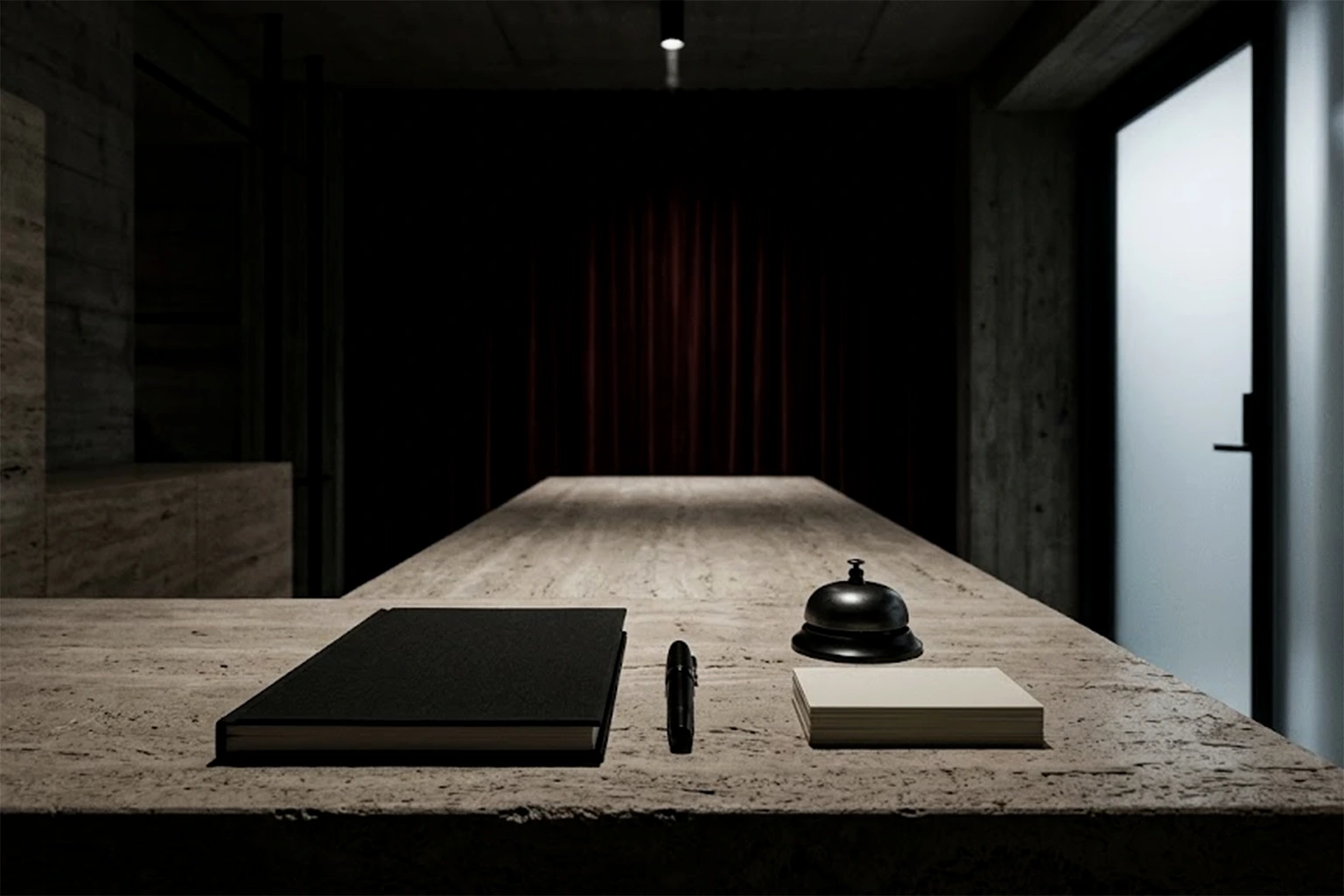
A travertine reception counter set in order: a black clothbound ledger, a fountain pen, a black desk bell and a stack of blank cards, an oxblood curtain beyond

What Is a Brand Website? A Place That Shows the World Before the Product

A brand website shows a brand's way of thinking and its sense of beauty before it explains any product. It is usually built for one brand alone, even when that brand sits inside a larger company.

Imagine a leather goods company launching a new brand for people in their twenties. Its corporate site already carries the company history and the factory address. Add a page for the new brand there, and the first thing a visitor meets is still the company.

Give the brand its own site, and from the very first frame, visitors are met with light and words chosen for that brand alone. Larger images, fewer words, even the pace at which pages turn can follow the brand's own breathing.

A brand website needs surprisingly little. An image or film that carries the world in the first frame. A few words on what the brand cares about. A list of products or work. And somewhere to go next for anyone who likes what they see: a shop, Instagram, an enquiry. With those four in place, a brand site does its job.

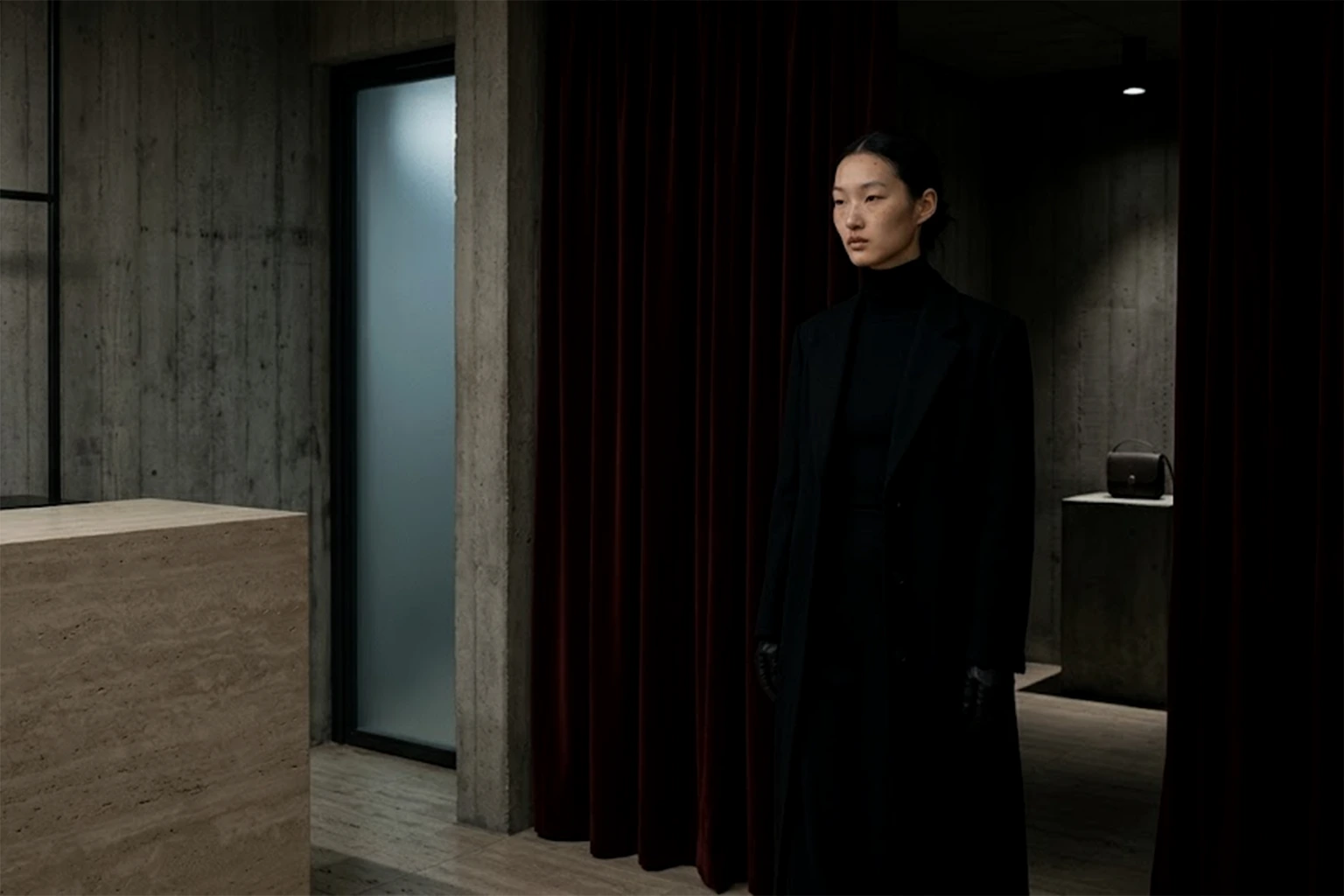
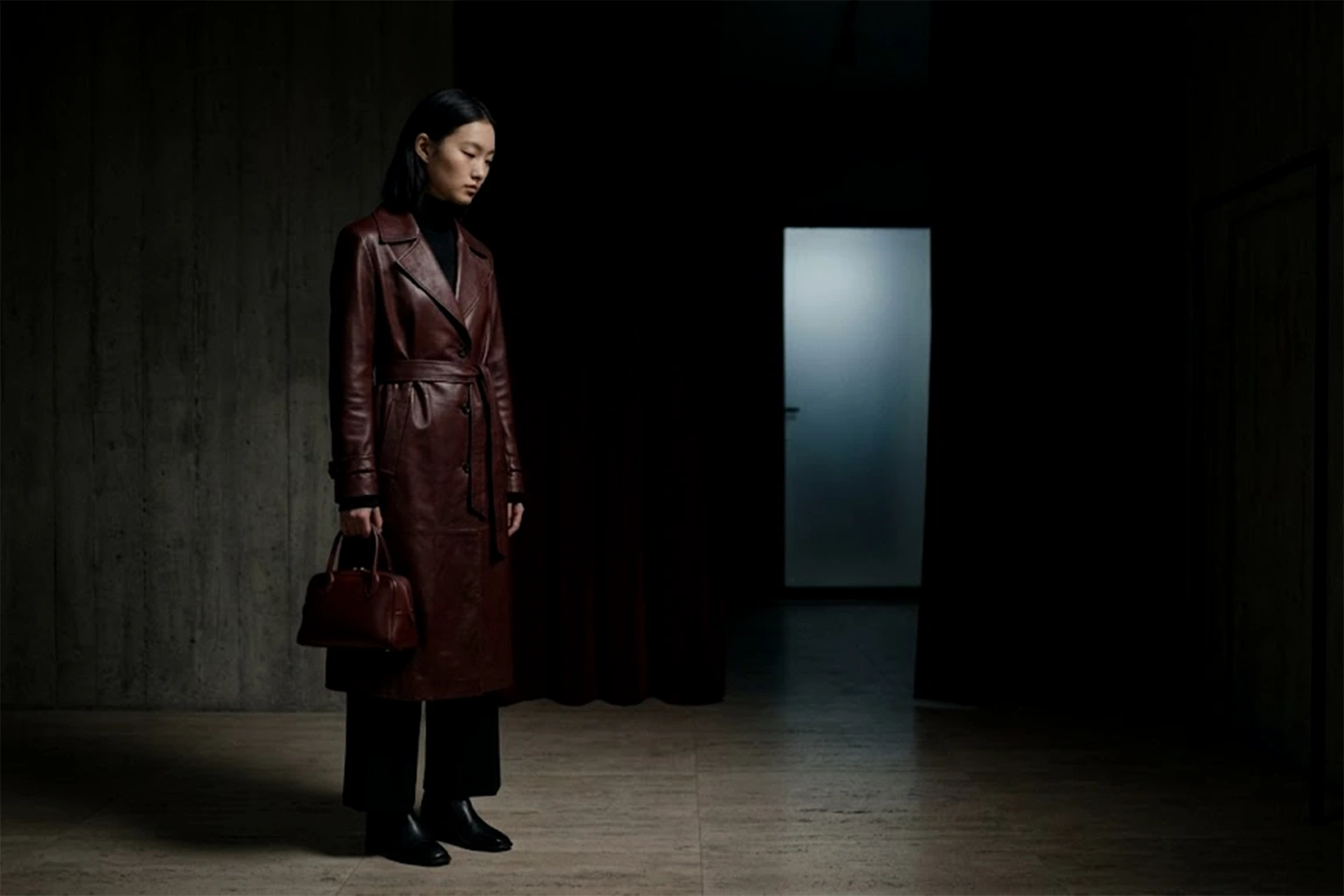
In the dark back room, a woman in an oxblood leather trench coat stands alone, holding a small bag of the same colour

Service Website vs Brand Website: Inviting Comparison, or Getting Ahead of It

The other site that often gets mixed in is the service website. A service site explains one service, what it includes and what it costs, and leads people to sign up or get in touch.

People on a service site are usually comparing. They have other options open and are checking which one fits their conditions. A service site grows stronger the more clearly it sets out what it does, what it costs and how long it takes.

A brand site works the other way. It is there to be liked before it is compared. Put a table of conditions in the first frame and visitors switch straight into comparing.

If people choose you on terms, lead with the table. If they choose you out of liking, lead with the photograph.

Even among companies that sell a service, the split holds. If you are chosen for your terms, build a service site. If you are chosen for your atmosphere and your eye, build a brand site. If both are true, greet visitors with the brand site and keep one page of scope and pricing further in.

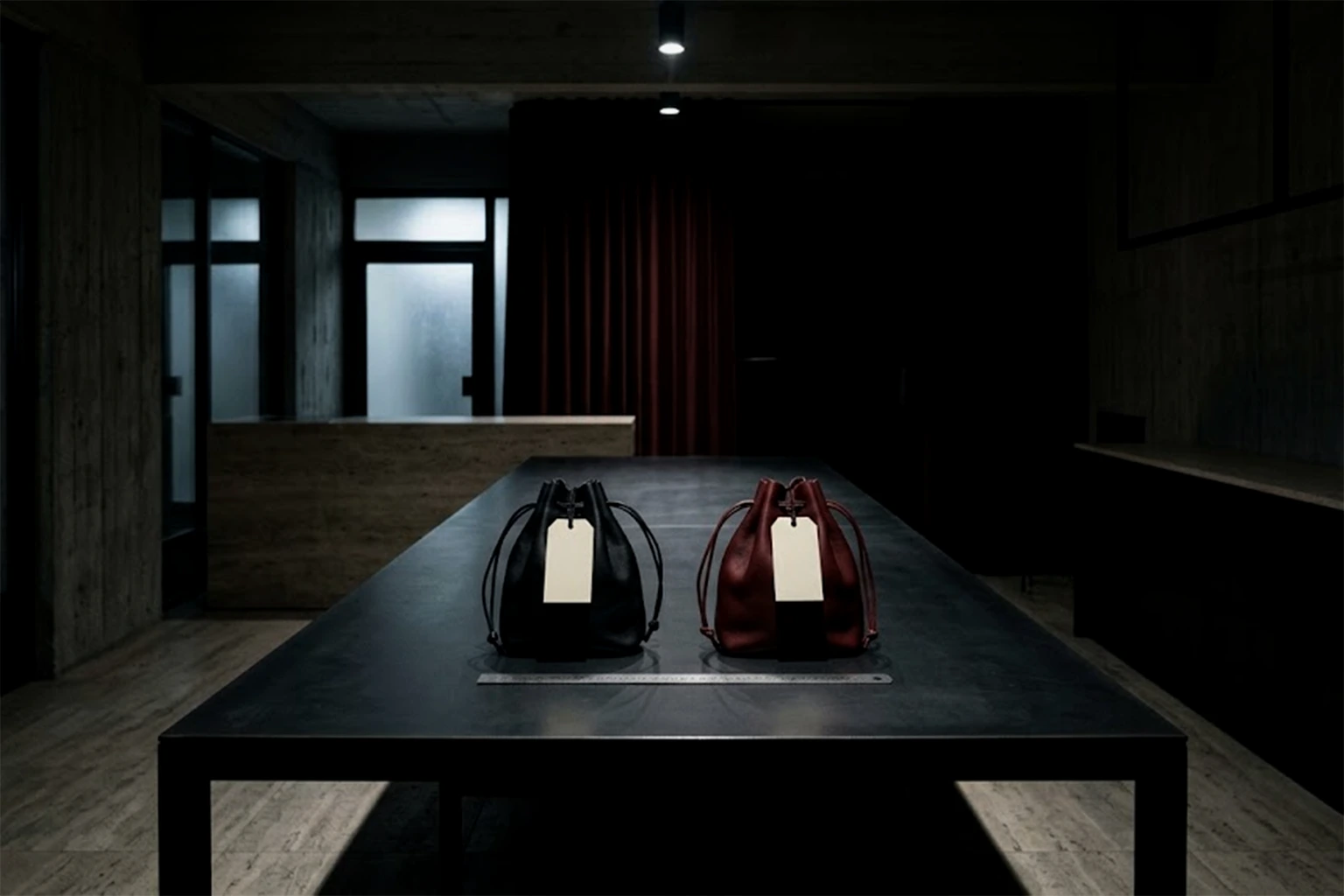
Two leather drawstring bags of the same shape, one black and one oxblood, side by side on a blackened-steel worktable with blank cream tags

Brand Website vs Landing Page (LP): How Long It Is Meant to Stay

A landing page, or LP, is a single page built for a single purpose. Pre-orders for a new piece, sign-ups for an event, a download. It is designed so that visitors arriving from an ad or a social post take one action, and only one.

The difference between a brand website and a landing page is less about the number of pages than about how long each is meant to stay up. An LP has done its work when the campaign ends. A brand site stays as long as the brand does, often for years.

That changes how each is made. On an LP, every word and every image points at that one action. On a brand site, you choose photographs and words that will not date by next year, and a structure that holds as products are added.

An LP is made for one action. A brand site is made for years of impressions.

There is also a way to grow a brand site out of a single LP. At KHZ ART, a one-page LP starts at ¥50,000, with a shortest turnaround of three to five days. Show the world on one page first, watch how people respond, then add pages at ¥15,000 each. You can start shaping how a brand looks without deciding everything up front.

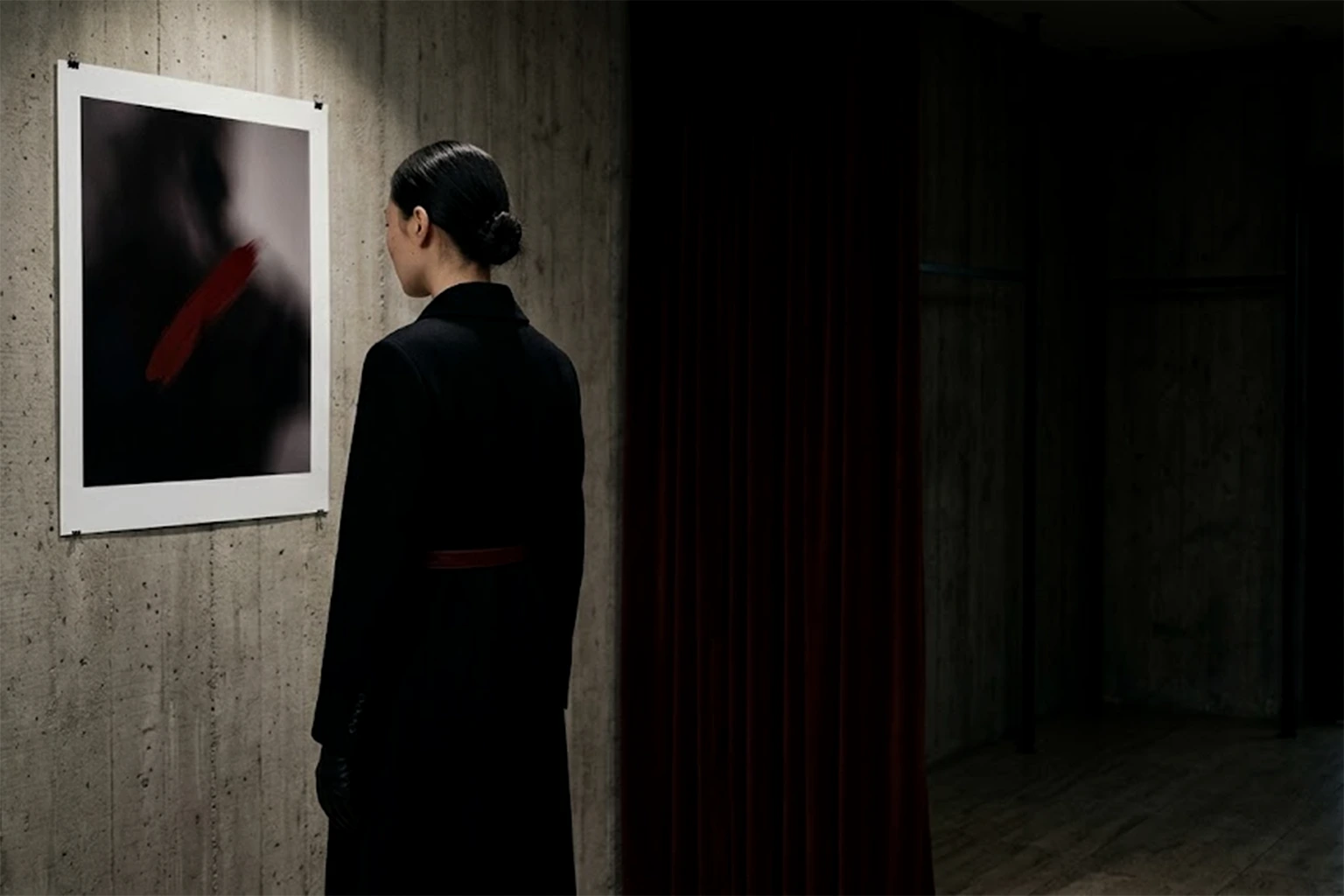
A woman in a black coat, seen from behind, looks at a single large print pinned to a concrete wall: a dark blur with one stroke of red

Write the Purpose of a Brand Website in One Line, Then Choose

If you are unsure which to build, try writing the site's purpose in a single line. The subject is not you. It is the person arriving.

"A partner can feel at ease before our meeting." That is the purpose of a corporate site.

"Someone can compare this service with others, and choose it." That is a service site.

"Someone pre-orders the new piece this month." That is an LP.

"Someone who has never heard of us falls for this brand." That is a brand site.

If two of these end up in one line, two sites will usually each work better than one. KHZ ART builds a four-page corporate site from ¥95,000, with a shortest turnaround of ten days. If the brand's pages should also be read in English, each English page is ¥30,000.

Whether to combine or to separate is answered by that one line, before the budget ever is. Once you decide to separate, we have written up the five stages of building a brand site in a separate piece.

To see which combination fits your company, our website cost simulator (in Japanese) gives a working total and the shortest turnaround as soon as you choose the number of pages and languages. No sign-up, no enquiry needed.

If You Are Still Unsure, Write Down Just Two Visitors

Before you close this, write down two people you want on your site.

The first is the person you most want to arrive. The second is the person you would least like to leave confused.

If their errands are the same, one site is enough. If they differ, build the site for the first person first, and keep the pages for the second quietly further in.

The difference between a corporate website and a brand website is not, at heart, a difference in how they are built. It is a question of whom you greet first. Answer that, and what belongs in the first frame of your home page is already decided.

Read next
Brand Website Production: Five Stages That Align Atmosphere and Results
For brands whose products are good but somehow never look expensive
All Articles
Brand Website

Decide whom your site greets first, before anything is built.

Someone who comes to check, or someone who comes to fall for you. KHZ ART decides who should arrive first, then builds how the brand looks around them. Tell us about your brand — we usually reply within 2–3 business days.

Start the Conversation